19 January 2007

FOR YOUR CONSIDERATION...

No Oscar predictions from me this year. Instead, a list of who should be nominated.


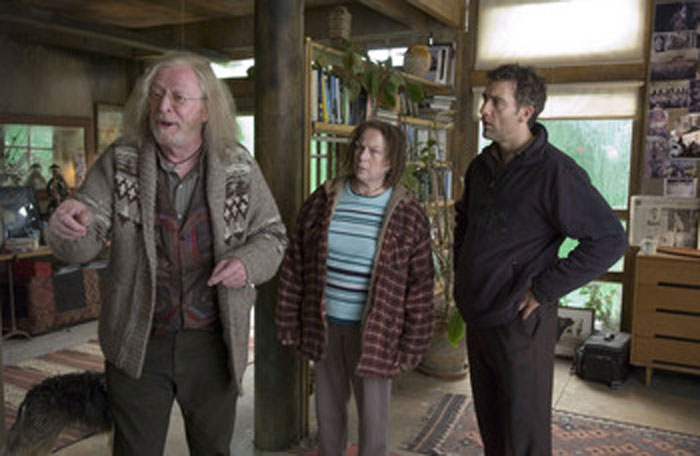
Michael Caine (left) says, "Don't forget about me! Who knew I'd be so bloody brilliant in CHILDREN OF MEN?"

BEST SUPPORTING ACTOR

Alan Arkin – LITTLE MISS SUNSHINE
Michael Caine – CHILDREN OF MEN
Jackie Earle Haley – LITTLE CHILDREN
Nick Nolte – CLEAN
Anthony Mackie – HALF NELSON

Arkin and Haley are likely to get nominations, but Mackie will get overlooked by his co-stars. Nolte’s performance is all the more impressive because I would’ve never guessed he had it in him. That goes double for Caine, who leaves a stronger mark in his ten minutes on screen here than he did in the entirety of THE CIDER HOUSE RULES.

BEST SUPPORTING ACTRESS

Rinko Kikuchi - BABEL
Jennifer Hudson – DREAMGIRLS
Catherine O’Hara – FOR YOUR CONSIDERATION
Zoe Weizenbaum – TWELVE AND HOLDING
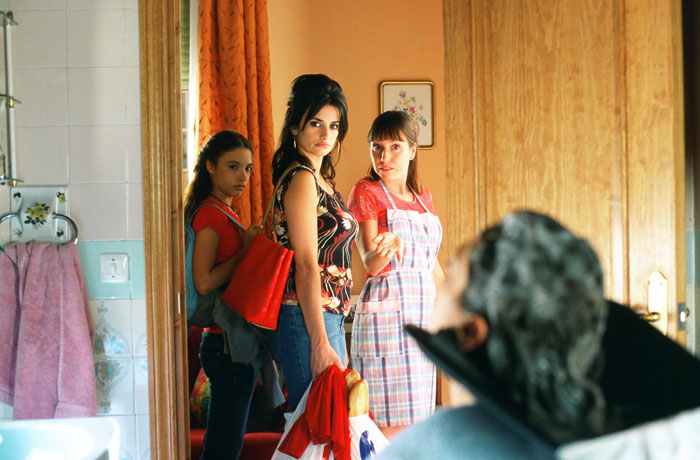
Carmen Maura – VOLVER

Hudson will deservedly get nominated and likely win; same goes for Kikuchi, though she’ll probably lose. We’ve all thought, “Wouldn’t it be a gas to see O’Hara get a nod?” for her juicy self-referential part, but I don’t think the Academy is that subversive. If more than 12 people saw Weizenbaum’s film, she’d be in the running.

BEST ACTOR

Gael Garcia Bernal – THE SCIENCE OF SLEEP
Steve Coogan – TRISTRAM SHANDY: A COCK AND BULL STORY
Ryan Gosling – HALF NELSON
Jeremie Renier – L’ENFANT
Patrick Wilson – LITTLE CHILDREN

Not even Gosling is a sure thing here, although if he doesn’t get a nomination it’ll be the year's gravest disappointment come Tuesday morning. As much as I adore Kate Winslet in LITTLE CHILDREN, her co-star should be receiving that kind of attention and praise.

BEST ACTRESS

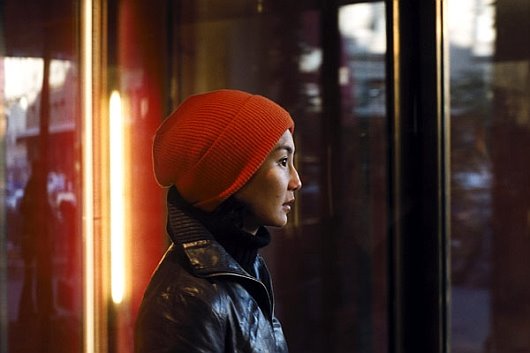
Maggie Cheung – CLEAN
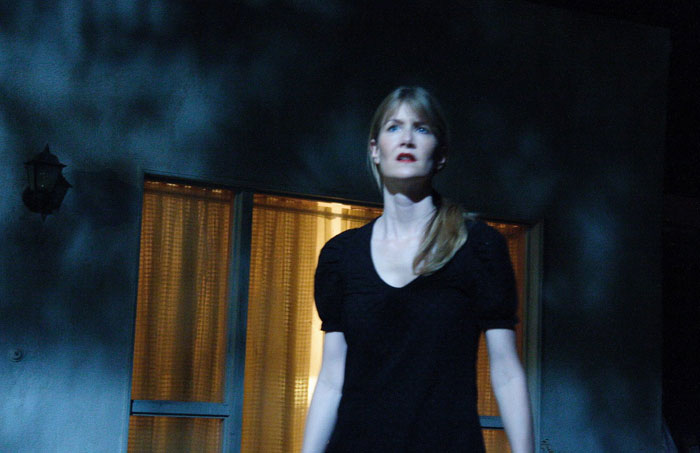
Laura Dern – INLAND EMPIRE
Shareeka Epps – HALF NELSON
Sandra Huller – REQUIEM
Helen Mirren – THE QUEEN

So bountiful was this year’s selection of lead actresses that I would also include Penelope Cruz (VOLVER) and Ellen Page (HARD CANDY) if the Academy would bend the rules and allow seven nominees. Mirren’s already a lock to win and I wish her the best. My other picks don’t stand a chance to be nominated, despite David Lynch’s cow-on-Sunset-Boulevard-stunt for Dern.

BEST DIRECTOR

Pedro Almodovar – VOLVER
Alfonso Cuaron – CHILDREN OF MEN
Fernando Eimbcke – DUCK SEASON
Ryan Fleck – HALF NELSON
David Lynch – INLAND EMPIRE

If Almodovar can get one of these for TALK TO HER, he could surely do so again. You have to admit this group is far more exciting than Frears, Eastwood, Inarittu, etc; (and no, I haven’t seen THE DEPARTED yet).

BEST PICTURE

CLEAN
DUCK SEASON
HALF NELSON
SHORTBUS
VOLVER

Hmm, this list vaguely resembles the Chlotrudis Award nominees for Best Movie…

11 January 2007

CLIMATES and others

I’ve been trying to cram in as many 2006 films as I can before Chlotrudis Award nominations are due. Here’s everything I’ve seen since the first of the month, including my first film of 2007.


CLIMATES

I admit to nodding off during Turkish director Nuri Bilge Ceylan’s last film, DISTANT. I came close to doing so again during his new one—the languid, lulling pace is probably to blame—but I enjoyed it a great deal more. It opens with Asi and Bahar, a couple (played respectively by Ceylan and his wife, Ebru) vacationing in a coastal part of Turkey during the summer; it concludes with them saying goodbye (possibly for the final time) in a mountainous part of the country in winter. In between those two cyclical extremes, we witness the dissolution of their relationship. This includes not only their breakup, but smaller, far subtler details like the change in emotion and altered chemistry when they fleetingly reunite towards the end.

As a director, Ceylan’s visual sense is extraordinary yet unflashy, giving both pretty and banal images equal weight and depth. The sound design is also exceptional: you will never again hear the crack of a pine nut being eaten without thinking of this film’s most thrilling, surprising, sexually charged scene. What really gives CLIMATES an edge, however, is the director’s empathy towards his characters, no matter how poorly or erratically they sometimes behave. As a real couple portraying a fictional one, Ceylan and his wife are convincing without making the viewer feel too voyeuristic. And as for that languid pacing, Ceylan shrewdly throws enough abrupt, interesting twists into his narrative to keep it involving while remaining artful and contemplative. Grade: A-

CHANGING TIMES

Andre Techine’s latest reunites Catharine Deneuve and Gerard Depardieu as once-lovers who meet up after three decades apart. Actually, Depardieu’s never gotten over Deneuve, so he rashly, passionately pursues her in Tangiers, where she now lives with her younger husband, played by a potent Gilbert Melki. The two leads are as compatible ever, but Techine fleshes out this simple story with a subplot about Deneuve’s son, his girlfriend and the girlfriend’s twin sister (both played by the talented Lubna Azabal). It doesn’t necessarily echo the primary story, but it contributes to a study of human relationships nearly as thoughtful and nuanced as the one other Techine film I’ve seen, the great WILD REEDS. Grade: A-

THE OH IN OHIO

Stars a rarely-better Parker Posey as a Cleveland ad exec who has never had an orgasm, ever. A thin premise and somewhat clumsy script are enlivened by a decent cast: Paul Rudd (shlubby and nearly unrecognizable with copious facial hair) as her frustrated high school biology teacher husband, Mischa Barton as his precocious, seductive student (well-cast though her acting’s still shaky) and Danny DeVito as an unexpectedly charming swimming pool mogul. Plus a cameo from Liza Minnelli (it’s too much fun to give away what she’s doing here). This is a good vehicle for the oft-misused Posey; once you get past its silliness and first-time-filmmaker discrepancies, it’s refreshingly sweet and likable, if still slight. Grade: B-

HEADING SOUTH

Laurent Cantet follows up his intriguing, sparse film TIME OUT with something a little different: an adaptation of a series of short stories about middle-aged American women vacationing at the Haitian resort in the late 1970s. The main attraction is not the sea or the sun but the sex, primarily with young unemployed Haitian men. Charlotte Rampling continues an impressive recent run of performances here as the domineering Ellen, while Karen Young is nearly as good as her more idealistic rival Brenda. Cantet adequately scrutinizes the cultural politics of the region and time, but the most effective moments come from confessional first-person monologues for most of the characters. Spliced into the film, they’re an arresting counterpoint to the main flow of action. Grade: B+

THE DEATH OF MR. LAZARESCU

The most critically acclaimed film of the year is a 150-minute tale of a Romanian man slowly dying as he’s shuffled through the country’s monstrously bureaucratic health care system. You can see why it sat on my shelf for nearly three months before I got around to watching it. I can see the film’s allure, though I’m sorry to say the critics have overrated it somewhat. I would’ve shaved off most of the first 45 minutes which consist of the title character in his apartment, getting sick, waiting, waiting, waiting for an ambulance. The film takes off once he’s on his way to the first of many hospitals, aided by a dedicated, if not entirely sympathetic nurse (the superb Luminita Gheorghiu). Like a Bresson film but with exceedingly dark, satirical humor, LAZARESCU is a telling, biting critique, but it could've been tighter. Grade: B

03 January 2007

THE BEST FILMS OF 2006

THE TOP TEN:


1. DUCK SEASON
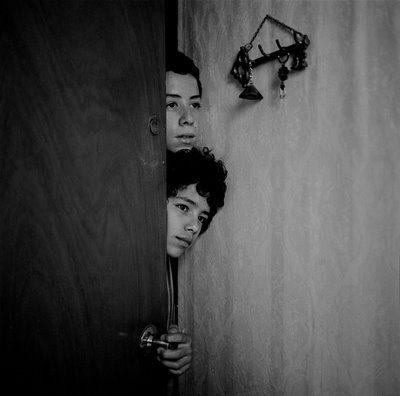
In this minimalist black-and-white gem from Mexico, two fourteen-year-old boys have an apartment to themselves on a Sunday afternoon. They spend the day playing video games, drinking Cokes and ordering out for pizza, and are soon joined by an older female neighbor and a hapless delivery man. Then, the power goes out and they’re left to find other ways to pass the time. The narrative may sound slight, but director/screenwriter Fernando Eimbcke fully develops and endears these four characters to us to the point where we just don’t want to leave them behind. In fact, the beauty here lies in what the characters themselves have to regrettably leave behind (and what one of them claims for himself). Nearly ten months since I first saw it, DUCK SEASON still reminds me why I value tiny, little-seen independent films so much.


2. HALF NELSON
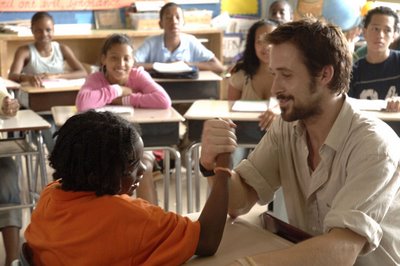
How do you make a film about a white Brooklyn junior high school teacher struggling with drug addiction without alienating your audience? How do you depict that teacher as a genuine mentor to one his black female students without your premise becoming a sentimental, falsely inspirational tale like DANGEROUS MINDS? Director Ryan Fleck and his co-screenwriter/producer Anna Boden manage to do both in this masterful, audacious feature: they take the frustration of the age and transform it into a poetic, unflinching study of how we live with it, and how we can find redemption through the support of others. Ryan Gosling and Anthony Mackie both give remarkably nuanced, career-best performances, while impressive young newcomer Shareeka Epps shows no sweat in matching them.


3. CACHE
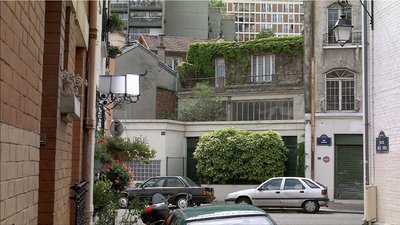
I left the theater baffled and speechless but nonetheless intrigued when I first saw this in Toronto in 2005. On a second viewing in Boston this past January, I got it. At first, director Michael Haneke’s film is a portrait of a smug bourgeois couple (Daniel Auteuil and Juliet Binoche) being watched by an unknown assailant. They receive cryptic letters and videotaped stalker footage of their apartment in the mail, but as Auteuil’s character gradually becomes unhinged, the film reveals itself as an allegory about social responsibility and guilt. With its suspenseful pacing and occasionally shocking developments (both times I saw this in a theatre, I’ve never heard an entire audience gasp so loudly), CACHE is a thriller in every sense of the word.


4. 49 UP
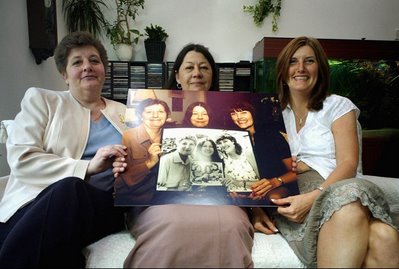
Last month, I named The “Up” Series my favorite documentary of all time, and this latest installment had a lot to do with that decision. Helmed by director Michael Apted, the series interviews the same group of about a dozen citizens originally from the UK every seven years. At the age of 49, we’re really starting to understand the philosophical implications and psychological effects these subjects experience by having their lives put on display. As usual, Apted alternates between the present and flashbacks of earlier installments, only the cumulative pull is now richer and more profound. If there’s any proof that this is so much more than an experiment, it’s in Jackie’s outburst when she startlingly confronts Apted about his interviewing methods.


5. VOLVER
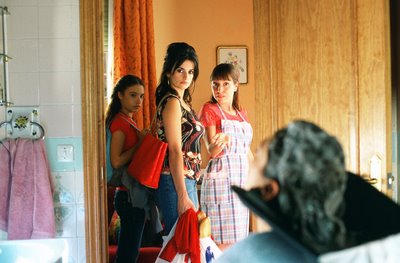
What an appropriate title: this is a glorious return to form for Pedro Almodovar after the accomplished but curiously remote BAD EDUCATION. A vivacious and unexpectedly multifaceted Penelope Cruz heads an excellent female ensemble cast; other standouts include the marvelously expressive Lola Duenas and the great Carmen Maura, working with the director on what could be his best picture since her last one with him, 1988’s WOMEN ON THE VERGE OF A NERVOUS BREAKDOWN. It’s as graceful as the powerful, meditative shots of rotating windmills that appear throughout, but just as lively and hilarious, tempering the melodrama of his mature period with sharp, rapid-fire dialogue.


6. SHORTBUS
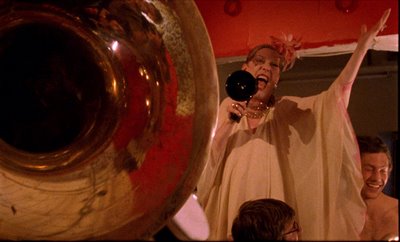
The cast is inconsistent, a few of the actors are a little too attractive, and the various narrative strands wrap up all too neatly. And none of that matters because John Cameron Mitchell’s second film has a sweet, beaming heart and a novel sense of camaraderie that transcends those minor annoyances. SHORTBUS is a romantic comedy like any of the best, only with graphic sex and money shots. As in HEDWIG AND THE ANGRY INCH, Mitchell gives an emphatic voice to the underground—the gays, freaks, weirdoes and eccentrics—and to a real post-9/11 New York. More importantly, he takes a misunderstood subject often depicted as taboo and simply celebrates it for what it is.



7. THE CASE OF THE GRINNING CAT
As for post-9/11 France, who better to document the country’s social climate than the venerable Chris Marker? Similar to the personal tone and whimsical spirit of Agnes Varda’s THE GLEANERS AND I, this utilizes the sudden appearance of a graffiti Cheshire cat on a slew of Parisian buildings and public spaces as a jumping-off point. From there, Marker intelligently muses on everything from homeland security and AIDS to France’s minority groups and the country’s 2002 presidential election. Lithe yet sustaining, this could be a delightful capper to the director’s vast oeuvre—it’s already one of the quintessential cinematic essays.


8. CLEAN
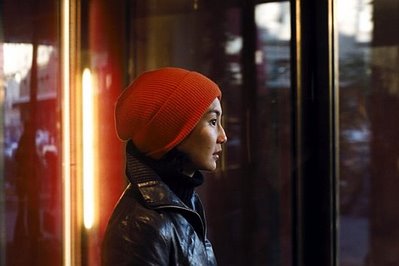
Its impact has diminished somewhat since I first saw it two summers ago, but Olivier Assayas’ film (belatedly released in the U.S.) still holds up—as a choice vehicle for the director’s ex-wife Maggie Cheung, and as an uncommonly insightful and realistic study of drug addiction and recovery. In a gentle supporting role, Nick Nolte does some of his best work ever, while Assayas constructs an arresting visual tableau of glowing oil refineries and claustrophobic Parisian streets. The rare film that doesn’t demean or punish its junkie protagonist, CLEAN is a delicately executed drama, a breath of fresh air.


9. THIS FILM IS NOT YET RATED
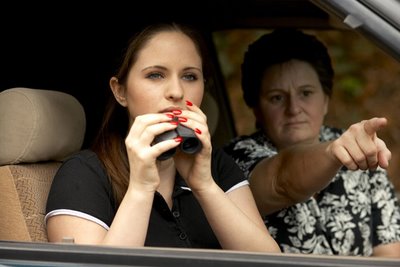
To criticize documentary filmmaker Kirby Dick for being self-indulgent is to entirely miss the point of his entertaining, scathing expose of the MPAA, which is to show how unfair and ethically bankrupt the agency is, particularly toward independent filmmakers. Structured like a Michael Moore piece (but without the patronizing tone), Dick uses the usual graphics, found footage and talking heads interviews to give us an enlightening, detailed history of film censorship in America, and that's fine. However, what really sets it apart is his employment of a detective to find out how this secretive watchdog group works (not to mention just who its members are). The provocative results may raise any rational viewer's blood pressure.


10. INLAND EMPIRE
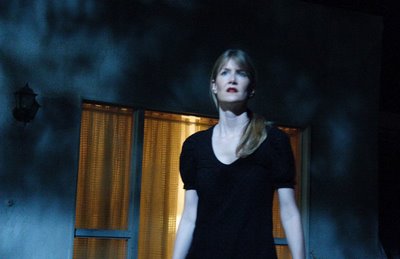
I nearly considered making this a tie with CHILDREN OF MEN, but where Alfonso Cuaron's equally (albeit much different) visionary fable gets a little goopy in the end, this one's almost rapturous conclusion approaches the ethereal and the divine. Lynch's three-hour avant-garde digital video mindfuck is a deserved, dazzling showcase for Laura Dern (and her multiple onscreen personalities) but also probably his most ambitious, farthest-reaching plunge into the unknown. Not yet nearly as resonant (or comprehensible) as MULHOLLAND DRIVE, I remain utterly bewitched by it.

TIED FOR 11TH PLACE:

CHILDREN OF MEN
Both a visual and conceptual breakthrough, and frighteningly plausible. Almost unrecognizable (except for that voice), Michael Caine is shockingly good in a supporting role.

THE QUEEN
Helen Mirren really is that good in the best British film in years not directed by Mike Leigh.

REQUIEM
A superior exorcist film notable for an astonishing lead performance from Sandra Huller, but also in how it lovingly recreates early '70s Germany without a hint of kitsch.

HONORABLE MENTIONS:

L’ENFANT
A deserving Palme D'or winner at Cannes in 2005, and possibly the Dardenne Brothers' most emotionally involving work to date.

TRISTRAM SHANDY: A COCK AND BULL STORY
Utter nonsense of course, but endlessly inventive. Steve Coogan needs more projects like this.

OLD JOY
Even if you don't care much about the characters in the end, you can't deny the poignant simplicity of Kelly Reichardt's film--an austere, introspective counterpart to HALF NELSON.

MUTUAL APPRECIATION
An encouraging advance on FUNNY HA HA; I can't wait for Andrew Bujalski's next project.

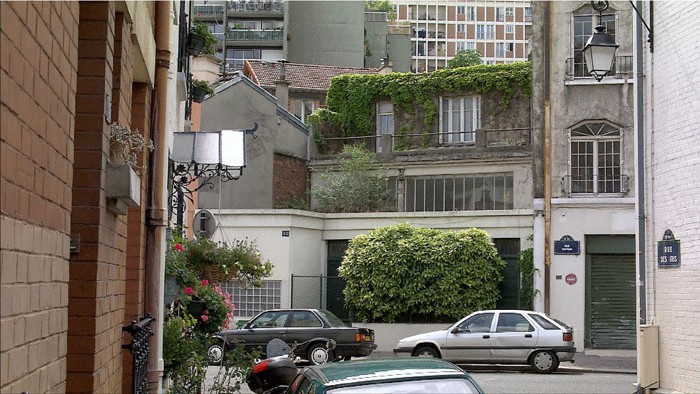
51 BIRCH STREET
The best family study since CAPTURING THE FRIEDMANS--not as cathartic, but certainly more personal (not to mention ethically sound).

SHUT UP AND SING
A riveting peek into the country music industry and the indestructible yet disarmingly humane Natalie Maines.

THE LIFE OF REILLY
Just Charles Nelson Reilly doing his one-man show on stage--brilliantly.

THE YACOUBIAN BUILDING
Fascinating Egpytian epic of the sort no one makes anymore. No wonder it's still without US distribution.

NIGHT OF TRUTH
Compelling African film about reconciliation rather than war, although it's shrewd enough to know that sentiments stirred up by the latter never entirely evaporate.

SMALL TOWN GAY BAR
Immensely touching documentary about gay bars in rural Mississippi that I hope everyone gets to see in 2007.

ALSO RECOMMENDED:
(these films received at least 4 stars out of 5)

A PRAIRIE HOME COMPANION
AN INCONVENIENT TRUTH
BROTHERS OF THE HEAD
THE DEVIL AND DANIEL JOHNSTON
FAT GIRLS
HARD CANDY
HEADING SOUTH
L’INTRUS
THE KING
LA MOUSTACHE
LITTLE CHILDREN
LITTLE MISS SUNSHINE
LONESOME JIM
NEW YORK DOLL
THE PUFFY CHAIR
RUSSIAN DOLLS
THE SCIENCE OF SLEEP
SIR! NO SIR!
SISTERS-IN-LAW
SORRY, HATERS
SYNDROMES AND A CENTURY
TWELVE AND HOLDING
WORDPLAY

And finally, a special mention to Jean-Pierre Melville's ARMY OF SHADOWS. I don't care if it wasn't released in the US until this past year--I just can't place a film made in 1969 on my top ten list of 2006. But I have to admit it would give DUCK SEASON serious competition for the number one slot.
27 December 2006

THE BEST MUSIC OF 2006

TOP TEN ALBUMS

This was a profoundly mediocre year for new albums: nothing here is fit to spit-shine the shoes of my top five or six from last year. Maybe I'm finding more solace in mixes and shuffles these days. Anyway, I admit I had difficulty selecting a single favorite LP this year. What ended up # 1 did so because I continue to get more out of it on each listen.

1. TV On the Radio - RETURN TO COOKIE MOUNTAIN

Not an entirely original choice: practically every best-of list I've scanned over this year has a place for it. Whatever--this finally lives up to the promise of their wonderful debut EP from three years ago, and then some. Still adventurously constructing their own meta-genre as they go along, this stuff is dense, demanding, draining and ultimately exhilarating, reaping vast rewards for those willing to spend a little time finding out what's all there.

2. Belle and Sebastian - THE LIFE PURSUIT

Having stopped trying to make another record like IF YOU'RE FEELING SINISTER last time out, they continue to hone and perfect their stylistic dexterity. From swaggering bubble-glam and blue-eyed soul to new wave brit-pop and squishy '70s funk, nearly every song here could be a single. And if the very best one (the resonant, chiming "Dress Up In You") could still neatly fit on SINISTER, it proves they haven't at all lost what made them so special and worthy in the first place.

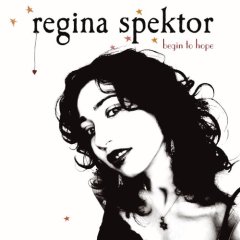
3. Regina Spektor - BEGIN TO HOPE

Somehow this lovably quirky expatriate Russian singer/pianist remained under my radar until she released her third album this year. Her first for a major label, it makes no qualms about wanting to sound more commercial and produced than what came before. All the more impressive then that she remains as much of a kook as ever (the way she spurts out, "So cheap and JU-cee!" on "That Time") while the radio-friendliest songs (especially "Better" and, ahem, "On The Radio") convey a great deal of artistic growth as well.

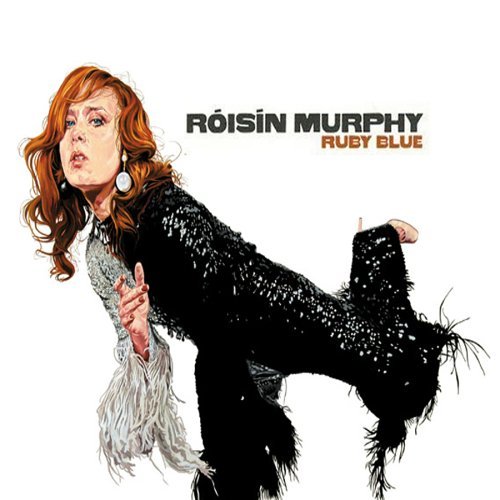
4. Roisin Murphy - RUBY BLUE

Beguiling and often frightening ex-Moloko vocalist Murphy works with innovative producer Matthew Herbert and makes the forward-looking record Madonna should have done instead of the comfortably-retro one she ended up doing. Of course, this is all old news to everyone but us Americans (it was released in Europe last year), but better late than never that we get to revel in the 21th Century disco of our slinkiest, snappiest dreams.

5. Paul Brill - HARPOONER

The best singer-songwriter you've never heard of continues the sonic experimentation he began on his last record, and pushes it almost to the point that his pop songs are sound collages and vice versa. Every time he comes this close to losing us in a sea of layered effects and tape loops, an old-fashioned melodic hook pulls us back in, like the sea shanty chorus of "Don't Tell Them", which itself is a refreshing plea for not giving every single thought away.

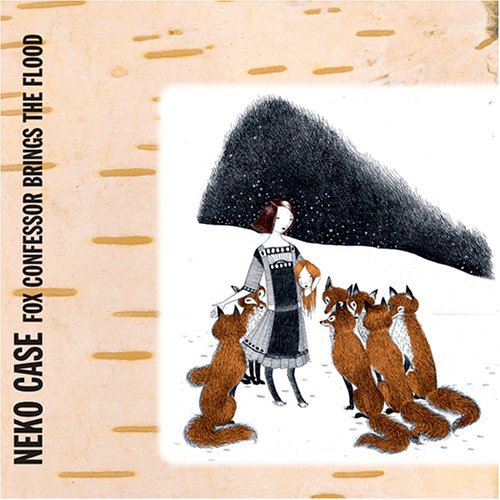
6. Neko Case - FOX CONFESSOR BRINGS THE FLOOD

Following an eye-opening live album and ever more astonishing stints with The New Pornographers, her songwriting finally begins to match her peerless siren of a voice. It's also harder to determine exactly what genre her music falls into (Alt-country? Alt-pop? Alt-gospel?)--always an encouraging sign for an artist destined for timelessness. The best lyric of the year: "I leave the party at 3 A.M., alone, thank God."

7. Nellie McKay - PRETTY LITTLE HEAD

She got dropped from her Major Label because she refused to prune this 23-song sophomore effort down to 16, and good for her. It plays like a bizarro-world cast recording for seven or eight musicals stitched together, many of them fabulous. Oddly enough, I adore the silly throwaways most, like the meow-saturated, 56-second-long "Pounce" or the self-explanatory "Yodel" (I dare Gwen Stefani to come up with such a hummable hook!), though nobody in their right mind could possibly hate the excellent Cyndi Lauper and K.D. Lang duets.

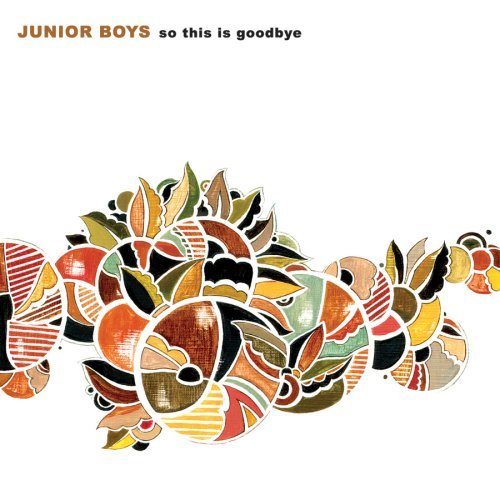
8. Junior Boys - SO THIS IS GOODBYE

Although it loses steam towards the end (despite a Sinatra cover!), the first six songs make for a compelling sequence that rivals anything on this list. As heartbroken and seductive as ever, this mostly eschews the start/stop rhythmic crunch of the first record for cool, smooth, majestically perfect synth-pop meant for middle-of-the-night, drown-your-sorrows-in-gin listening. The grand exception: the itchy, pulsating single "In the Morning", which doesn't stick out so much as expose the turmoil (and burgeoning enlightenment) within.

9. James Hunter - PEOPLE GONNA TALK

Singer/guitarist Hunter isn't exactly an original; just as Chris Isaak worships at the altar of Roy Orbison, this guy bows down to Sam Cooke, Ben E. King, and all the other greats of post-Elvis, pre-Beatles R&B. But Hunter more than knows his stuff--he writes sharp songs, he never overplays, and he keeps the arrangements clean, crisp and subtle. That he's both white and British is unexpected and yes, fascinating; it's also irrelevant when the music's this strong and affecting.

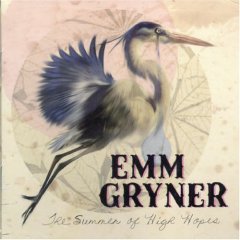
10. Emm Gryner - THE SUMMER OF HIGH HOPES

After two interesting albums of covers and a slightly overproduced one of originals, Gryner finally delivers another solid album of her own material--perhaps her best to date. The overall mood is slow and sparse, which is not to say it's reserved or minimalist. "Girls Are Murder", "All Time Low" and "Queen of the Boys" are all ringing, anthemic pop while "Almighty Love" could be her greatest composition to date: if its soaring, magnificently warm invitation of a chorus doesn't give her a deservedly larger audience, nothing will.

ALSO RECOMMENDED (in alphabetical order):

The BellRays - HAVE A LITTLE FAITH
Calexico - GARDEN RUIN
Cat Power - THE GREATEST
Goldfrapp - SUPERNATURE
Herbert - SCALE
The Hidden Cameras - AWOO
Jenny Lewis & the Watson Twins - RABBIT FUR COAT
Joanna Newsom - YS
Pet Shop Boys - FUNDAMENTAL
Puffy AmiYumi - SPLURGE
Sparks - HELLO YOUNG LOVERS
Sufjan Stevens - THE AVALANCHE
Steve Wynn & the Miracle 3 - TICK, TICK, TICK

MIX: BEST TRACKS OF 2006
all tracks are from the albums listed above, unless otherwise noted:

01 Marit Bergman, "No Party" (single/mp3)
02 The BellRays, "Third Time's The Charm"
03 Regina Spektor, "On The Radio"
04 Neko Case, "Hold On, Hold On"
05 Hot Chip, "Boy From School" (from The Warning)
06 TV On The Radio, "Hours"
07 Belle and Sebastian, "The Blues Are Still Blue"
08 Puffy AmiYumi, "The Story"
09 The Hidden Cameras, "Awoo"
10 Jenny Lewis and the Watson Twins, "Rise Up With Fists!"
11 James Hunter, "People Gonna Talk"
12 Paul Brill, "Don't Tell Them"
13 Camera Obscura, "If Looks Could Kill" (from Let's Get Out of This Country)
14 Emm Gryner, "All Time Low"
15 Roisin Murphy, "Through Time"
16 Sufjan Stevens, "Dear Mr. Supercomputer"
17 Nellie McKay with Cyndi Lauper, "Beecharmer"
18 Calexico, "Cruel"
19 Junior Boys, "In The Morning"
20 Pet Shop Boys, "Integral"

LOSER OF THE YEAR:
Why, The Village Voice, of course. No one looked good when they fired veteran music critic
Robert Christgau (plus half of their film critics). Thankfully the Consumer Guide has been since resurrected.

20 December 2006

20 DOCUMENTARIES

Time for another Chlotrudis poll: following favorite horror, foreign language, and arty films (see LISTS to the right), this year it’s documentaries. And my top twenty are…


01 The "Up" Series (dir: Michael Apted, 1964-2005)
02 Tarnation (Jonathan Caouette, 2004)
03 Double Dare (Amanda Micheli, 2004)
04 Grey Gardens (Albert Maysles et al, 1975)
05 Sherman's March (Ross McElwee, 1986)
06 Dig! (Ondi Timoner, 2004)
07 Grizzly Man (Werner Herzog, 2005)
08 I Like Killing Flies (Matt Mahurin, 2004)
09 Spellbound (Jeffrey Blitz, 2003)
10 The Gleaners and I (Agnes Varda, 2000)
11 The Case of the Grinning Cat (Chris Marker, 2004)
12 Hoop Dreams (Steve James, 1994)
13 Crumb (Terry Zwigoff, 1994)
14 This Film Is Not Yet Rated (Kirby Dick, 2006)
15 Gates of Heaven (Errol Morris, 1980)
16 Capturing the Friedmans (Andrew Jarecki, 2003)
17 OT: Our Town (Scott Hamilton Kennedy, 2002)
18 Harlan County U.S.A. (Barbara Kopple, 1976)
19 Murderball (Henry Alan Rubin et al, 2005)
20 Hell House (George Ratliff, 2001)

When I started thinking about this list over a month ago, I knew right away what would be number one. Michael Apted’s conceptually brilliant project tracks the lives of dozen subjects born in the UK in 1956 by interviewing them once every seven years. It was originally conceived as 7 UP, a one-time television show about a selection of seven year-olds culled from different classes and cultures. With each installment (7 + SEVEN, 21, 28 UP, 35 UP, 42 UP, and 49 UP), we flash back between the past(s) and the present, literally seeing these people age and evolve before our very eyes. I’ve only viewed the three most recent films, but I don’t think you need to see them all to comprehend what an immense achievement the whole is. Currently an unfinished but rich and revelatory symphony, like the best docs, it encourages us to examine these lives and hold them up as mirrors to our own.

Nearly 70% of the remaining films come from the past decade, which is apt since I wasn’t much of an active cineaste before then. It isn’t an exaggeration to say that documentaries have also enjoyed a spike in popularity and quantity since then. Credit breakout hits like the work of Michael Moore or Errol Morris (though # 15 is probably still the latter’s least-seen, most cultish feature), but also acknowledge the advent of digital video. Either way, since I began making year-end top ten lists in 2000, I’ve made room for at least one doc just about every time, from Jonathan Caouette’s non-paralleled autobiographical collage to Jeffrey Blitz’s cross-section of American pre-teens sifted through the lens of a very particular talent.

Of course there are also classics of the genre: the Maysles Brothers’ unforgettable portrait of forgotten lives whiling away in a decaying mansion, Ross McElwee’s groundbreaking personal essay/travelogue, Barbara Kopple’s depiction of an isolated community and its struggles to be seen, heard and understood. I could rattle off another twenty worthy candidates, from the Soviet silent-era MAN WITH A MOVIE CAMERA to the contemporary Cameroon judicial system of SISTERS IN LAW. The films that made the cut, however, did so because each one compels and entertains as much as it informs and represents.

13 December 2006

WALDEN UP CLOSE

These were taken on November 5: the last vestiges of Autumn giving way to the long hibernation ahead. I've taken my share of wide-angle shots of Walden Pond on past visits, so this time I focused more on light, shapes and patterns.


08 December 2006

FOUR GOOD BOOKS

I don’t read nearly enough to compile a decent top ten list, but I can name four exceptional new books I read in 2006. Two are memoirs that couldn’t be more different, and that goes for the other two as well, both of them novels.

Everything I'm Cracked Up to Be (Jen Trynin)

Sounding like a beguiling cross between Chrissie Hynde and Joni Mitchell, Boston-based rocker Trynin released two critically acclaimed but little heard albums in the mid-1990s, and then abruptly disappeared. Those few fans (like me) clamoring for an explanation finally get one in this massively entertaining memoir where Trynin relates her rapid career trajectory. She progresses from suddenly rising star to hot property in a major record label bidding war to exhausted has-been seemingly overnight, with enough booze and drama to jam-pack five episodes of BEHIND THE MUSIC. However, Trynin’s riotous sense of humor and refreshing lack of self-pity go beyond that well-worn template. She also has much detailed insight as to how the music industry works—or doesn’t work, unless you have lots of hits and genuine support from your label. Trynin’s sharp prose is enough to make one long for another album from her, although I now totally understand why she’d rather just write.

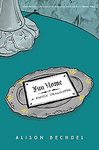
Fun Home: A Family Tragicomic (Alison Bechdel)

Best known for her long-running comic strip DYKES TO WATCH OUT FOR, Bechdel’s graphic-novel memoir should appeal to anyone lamenting the late TV series SIX FEET UNDER. Similarly an equally comic and morbid confection, the title comes from the family business, a funeral parlor in small-town Pennsylvania. Bechdel’s story primarily concerns her father, a part-time English lit teacher and a closeted gay man who died mysteriously (he may have committed suicide) when she was in college. Using that as a jumping-off point, FUN HOME ambitiously sifts through memories and old diary entries (all meticulously re-created through her clean yet intricate style) and makes literary allusions to reveal and comprehend her father’s secret life and find some catharsis. Flowing effortlessly, it’s as rewarding and engaging as the best work of Art Spiegelman or Chris Ware, yet it also comes from a decidedly original voice.

Lost and Found: A Novel (Carolyn Parkhurst)

At first, Parkhurst’s follow-up to her intense debut novel THE DOGS OF BABEL feels much lighter: a clever satire of reality television, but nothing more profound than your average beach read. Tracking the contestants of a scavenger-hunt type show that bears more than a passing resemblance to THE AMAZING RACE, each chapter is narrated first person, confessional style (a la THE REAL WORLD). Among the tag-team duos are an estranged mother and daughter, two former child TV stars struggling to extend their celebrity into adulthood and a married couple made up of a man and a woman who met each other through the ex-gay movement. Parkhurst lithely nails the genre’s conventions and quirks so as not to feel at all contrived, but she also digs a little deeper than you’d expect. She recognizes how a reality TV series needs drama and suspense in order to thrive, but she doesn’t forget to make her characters relatable or humane.

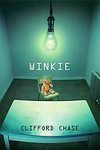
Winkie (Clifford Chase)

The titular protagonist here is a teddy bear accused of terrorism. That sentence alone should either pique your interest or send you running for the hills. In Chase’s unclassifiable and odd yet incessantly fascinating first novel, we get drawn into the thoughts of an inanimate object that eventually comes to life. However, this ain’t PINOCCHIO. Sometimes WINKIE is a simple fable filled with fuzzy but not altogether warm reminiscences about the bear’s past; other times, it is an exceedingly cartoonish allegory on the war on terror, with a stuffed toy as a scapegoat, a receptacle for society’s ignorance and cruelty. Sometimes Winkie is male and at other times (or simultaneously?) female, giving birth to a philosophy-dispensing cub who may be divine. WINKIE similarly swerves between the ridiculous and the sublime: it’s an extraordinary act of chutzpah and often hard to put down (in both senses of the term).

04 December 2006

INLAND EMPIRE


Instead of filming a completed screenplay, David Lynch took a piecemeal approach to making INLAND EMPIRE: encouraged by the physical freedom a toy-sized digital video camera allows, he would think of an idea, write it down, and then immediately film it, letting the story develop with each individual fragment or improvisation. It's essential to consider and understand this means of composition when approaching the finished work, and irrelevant to dismiss it for not making sense. This is an avant-garde film that favors texture and feeling over logic or linearity. The director's most experimental effort since ERASERHEAD, it's a challenging ride, but one worth taking.

Most of it centers on Nikki (Laura Dern), a Hollywood actress starring in a remake of a film whose original version was never completed because the leads died of mysterious circumstances while filming. Many early scenes revolve around Nikki, her co-star Devon (Justin Theroux) and their director Kingsley (Jeremy Irons) as the shoot begins. However, it's not long before Nikki becomes unable to differentiate between herself and her character. From there, it's a slow glide through Lynch's rabbit hole: we see Dern as Nikki but also as a housewife in a mid-20th century tract home and an Aileen Wuornos-like figure in a dingy interrogation chamber where she confesses lurid incidents to a silent bespectacled man. We also see strange, enigmatic sequences shot in the snowy, industrial Polish city of Lodz, snatches of an eerie nuclear family sitcom (complete with laugh track) populated by a cast wearing, well, rabbit suits, plus dancing whores and Laura Palmer's mother, too!

As a long-awaited follow-up to the monumental MULHOLLAND DRIVE, this is not exactly a retread, although it's hard to imagine it existing without its predecessor. Those infuriated by MULHOLLAND'S fascinating final third will probably be annoyed that this one plays like a three-hour extension of its dream logic and shifting personalities. But where that film focused on a dreamer slowly awakening into consciousness before succumbing to encroaching insanity, this one explores more in-depth how a persona gradually shatters and dissolves, its world becoming ever more abstract, with layers of recurring motifs piling up until they resemble something close to madness.

Although this film lacks some of its predecessor's tenderness, it retains its adventurous, twisted spirit. Few directors can still match Lynch in terms of gorgeously sinister imagery, elaborate sound design, and utter originality (and creepiness). An actress I've always admired, Dern is just phenomenal here; she's bravely willing to reach out to the furthest possible limb to display a complexity of emotions, from amiable and heroine-like to frightening and downright ugly. Towards the film's ethereal, almost rapturous conclusion, Lynch temporarily pulls the rug out from under us, offering a fleeting explanation for what we've seen, only to pull back again and offer more reasons to doubt that one exists. INLAND EMPIRE can be frustrating for sure, but Lynch's openness and seemingly endless creativity makes for one compelling experiment and experience.

29 November 2006

THE KING and others

One regular-sized review and a slew of bite-sized ones (otherwise I'll never catch up). Now with grades instead of stars!

THE KING: In one of his first (good) English-speaking roles, Gael Garcia Bernal is a young man who has just finished a stint in the US Navy. Named Elvis (hence the film's ironic title), he rolls into Corpus Christi, Texas, and immediately looks up his father, David Sandow (William Hurt). Sandow once had a fling with Elvis' mother, a Mexican prostitute. Shortly thereafter, he found God and is now pastor of a fundamentalist Christian church. He also has a wife, Twyla (Laura Harring) and two teenaged children: Paul (Paul Dano) and Malerie (Pell James). Upon meeting a grown-up Elvis for the first time, Sandow rejects him and forbids him to have any contact with his half-family. However, that doesn't stop Elvis from pursuing a clandestine affair with Malerie; nor does he reveal to her whom he actually is.

It's a shame the trailer for this film makes it look like the usual torpid, pretentious, hot-button topic indie trash; on the contrary, it's an unpredictable, spare, subdued, near-poetic character study. Previously best known for the documentary WISCONSIN DEATH TRIP, director James Marsh is well-adept at sustaining a mood and building intensity but not at the expense of losing the plot or lacking substance. Bernal, Hurt and Dano (very different here from his role in LITTLE MISS SUNSHINE) are all good, but THE KING is most remarkable in its moral ambiguity toward its characters. Sure, you could debate whether each one is "good" or "bad" (and most viewers certainly will), but what matters more is the possibility of redemption, and how difficult (or easy?) it is to earn. Grade: B+

*******

BABEL: Not nearly as bleak but slightly more nervewracking than 21 GRAMS. Three stories here, but it’s really two completely different films--the Japan sequences have at best tenuous links to the wrenching Brad and Cate drama in Morocco and the border-crossing shenanigans between Mexico and the US. Beautifully conceived, thoughtful and poignant, the Japan story is the best part, by the way. B-

CASINO ROYALE: Daniel Craig isn’t the best Bond (yet), but he’s inarguably the catalyst for what has to be the most emotionally complex, character-driven 007 film in decades. He remains a left-field choice, showing more brawn and physical acuity than savoir-faire, but his presence suggests realms of new possibilities for the franchise. The film’s a half-hour too long and the dialogue’s occasionally cheesy, but the damn thing still entertains and, at the very least, is a vast improvement over the spoofy ‘60s Peter O'Toole original--I didn't even think of Austin Powers once. B

REQUIEM: This low-budget German indie immediately renders all other films about exorcism irrelevant (yes, even that one). Based on the same case as THE EXORCISM OF EMILY ROSE, this offers a more realistic, ambivalent take. Sandra Huller is simply astonishing as the lead and if half as many people saw this as those seeing THE QUEEN, she’d get award nominations up the wazoo. Bonus points for painstakingly (and lovingly) recreating the early ‘70s without a hint of kitsch. A-

SHADOWBOXER: Lee Daniels’ audacious thriller probably never played your town because the mainstream critics trashed it. While not an undiscovered masterpiece, it’s pretty fascinating if you allow yourself to believe that Helen Mirren and Cuba Gooding Jr. could be assassins/lovers, that Joseph Gordon-Leavitt and Mo’Nique could be a loving couple, and that Macy Gray could be a cracked-up whore (ok, that last one’s not too far out). But this is a crafty little film that has something to say about families and how knowledge and behavior is learned within them. Daniels’ dreamlike palette and loping editing rhythms make me look forward to the second film I hope he gets to make. B

SHUT UP AND SING: Dixie Chicks’ feisty, lovable lead singer Natalie Maines is nearly up there with Timothy Treadwell (GRIZZLY MAN) and Little Edie (GREY GARDENS) as an Utterly Fascinating Documentary Subject (only she’s not crazy). Not since DiG! has there been such an insightful film about the music business. Concerned with how politics can radically rearrange your audience base overnight, it’s lucky for being in the right place in the right time, and noteworthy for recording and analyzing a historical moment with such depth and feeling. A-

VOLVER: Following the accomplished but oddly remote BAD EDUCATION, Almodovar sinuously tempers the well-wrought melodrama of his recent work with the salacious, rapid-fire comedy of his vintage period. Penelope Cruz is outstanding, but the real return to form comes from Carmen Maura—it’s no coincidence that this may already be my favorite film of his next to the last picture he made with her, eighteen years ago. I’ll surely write more on this treat of a film in my year-end top ten. A

10 November 2006

GREENPOINT, BROOKLYN


06 November 2006

MIX: I'VE NEVER BEEN WRONG... I USED TO WORK IN A RECORD STORE*

July 2006: CD-R

01. Tompaulin, "Slender"
02. Ivy, "Get Out of the City"
03. Jen Trynin, "Better Than Nothing"
04. Black Box Recorder, "The Facts of Life"
05. Nellie McKay, "Ding Dong"
06. Stew, "Giselle"
07. Sufjan Stevens, "Chicago"
08. The Shins, "Saint Simon"
09. Weakerthans, "One Great City!"
10. Marit Bergman, "Tomorrow is Today"
11. Andrew Bird, "Fake Palindromes"
12. Belle and Sebastian, "Dress Up In You"
13. Sam Phillips, "I Wanted to Be Alone"
14. TV On the Radio, "Young Liars"
15. LCD Soundsystem, "Losing My Edge"
16. Goldfrapp, "Number 1"
17. The New Pornographers, "The Bleeding Heart Show"
18. Saint Etienne, "Teenage Winter"
19. The Futureheads, "Hounds of Love" (listed as "BONUS TRACK")

I have a friend named Bruce in New York City who always puts me up whenever I visit. I met him in my film group, and he's probably one of the few people I know who sees more movies than I do. He also used to be on top of new music, but hasn't listened to a whole lot in the past decade. Earlier this year, Bruce asked me to make a mix for him, and this is what I came up with.

Before I began gathering selections, he sent me an e-mail impressively detailing his tastes, dividing favorite songs into categories representing what he responds to in a piece of music (such as "clever lyrics", "complicated lyrics", "unique instrumentation", or just plain "sexy"). I skimmed through his e-mail twice and then went to work. I limited the selections to the previous decade or so (the oldest song is from 1994) to get him up to speed on what he's been missing. It also seemed natural for me to stick with the past decade because that's when my musical tastes blossomed and matured.

The title comes from a line spoken in LCD Soundsystem's epic, music-obsessive minimalist masterpiece--clocking in at nearly eight minutes, it sets a knowing tone that reverberates most strongly in Black Box Recorder's emphatic yet unsentimental ode to burgeoning adolescence. On the other end of the emotional spectrum, it's also present in Saint Etienne's poignant reflection of youth wistfully fading away.

Other than those slight echoes, there's no particular theme. Most of these songs are personal favorites that I remember falling in love with the first time I heard them: Tompaulin's gradually-building-in-momentum opener (also the first track on my introduction to the band), Ivy's breezy road trip anthem, Marit Bergman's exuberant, wall-of-sound proclamation, TV On the Radio's irresistible clash of soulful, guttural vocal and icy, sterile soundscape.

As I wrote last year, the first mix you make for someone is always risky. Fortunately, Bruce liked this one; apparently, so did a few of his friends and neighbors, as I found out when I visited him two months later. His favorite track ended up being the one by Belle and Sebastian. Probably my own favorite track of this year so far, I love its intricate lyrical twists, rich chord changes, and still classic-sounding (for a decade-old band) trumpet solo. Yet, I wasn't sure Bruce would-- you see, it was a last minute addition.

*(By the way, I've never actually worked in a record store.)

31 October 2006

THIS IS NO DREAM! THIS IS REALLY HAPPENING!


I found this wonderful behind-the-scenes photo on my computer, and I don't remember where I acquired it. Anyhoo, I just re-watched this movie last night, and it remains one of the best horror films of any era. No excessive violence, no gore, very little blood, yet chilling, disturbing, unsettling and even hilarious on occasion. Here's something I wrote about it on the old blog. Happy Halloween.

30 October 2006

4

This is one of the strangest films I've ever seen (and if you know me, that's saying something). 4 begins with a piano-tuner, a prostitute, and a slaughterhouse worker. Strangers to each other, they meet in a Moscow bar and converse for at least twenty minutes. All three create elaborate false identities for themselves as a half-awake bartender refills their glasses. One speaks about a Soviet human cloning conspiracy and the significance of the number 4. This part of the film is formally rigid and disciplined in its editing and composition.

Afterwards, the three patrons leave the bar and go their separate ways. A good chunk of the film follows the prostitute, Marina, who travels miles and miles to a remote village where her twin sister has just died. At this point, 4 gradually starts to descend into a surreal, nearly grotesque madness, teeming with hand-held camera shots, drunken, demented old ladies and handmade dolls with faces composed of chewed bread (yes, chewed bread--you can't make this stuff up). All the while, patterns of four appear on screen: four sisters, four airplanes, four tanks, etc;

Director Ilya Khrjanovsky is a talent to watch. He's clearly (and intelligently) commenting on the cultural divide between Western and Eastern Russia, and how repetition and disclosure relate to it. 4 makes a relatively polished Russian film such as THE RETURN look like LITTLE MISS SUNSHINE, which is to say, it's not for everyone. Although it tested my patience at times, it's also fascinating and bewildering like a 1970s Werner Herzog film and that's a compliment... but I'll just give it 3.5 stars (out of 5)

26 October 2006

LITTLE CHILDREN and MARIE ANTOINETTE


Alexander Payne’s sharp, wickedly funny adaptation of Tom Perrotta’s novel ELECTION remains one of the best-ever book-into-film conversions. A long-belated follow-up to his great directorial debut IN THE BEDROOM, Todd Field’s adaptation of another Perrotta novel doesn’t scale the same heights, but it’s solid and far from a disappointment.

Superficially, LITTLE CHILDREN is another malaise-in-suburbia critique. Both Sarah (Kate Winslet) and Brad (Patrick Wilson) are thirtysomethings who have young children, are in mismatched marriages, and aren’t entirely sure how they ended up there. Sarah has a Master’s in English but is now merely a housewife who can’t relate to the other, clone-like mothers at the neighborhood playground (or Richard, her older husband who has issues of his own). Brad is a stay-at-home dad and ex-law student half-heartedly trying to pass the bar exam after failing it twice. He gets little attention or genuine support from his wife Kathy (Jennifer Connelly), a career-preoccupied documentary filmmaker.

Following a series of playmates with their two children, Sarah and Brad fall deep into an impulsive, passionate affair and discover a connection that vindicates something lacking in their lives. However, what elevates the film beyond such well-tread territory is a near-total dearth of melodrama or Hollywood hokum. Perrotta co-wrote the screenplay with Field, and it retains the author’s understated satiric prose with subtlety and directness. Slightly frumpy but still beautiful, Winslet’s good, but Wilson is the standout—he’s exceptionally well-attuned to nuances and contradictions of his character. Dubbed “The Prom King” by the adoring neighborhood moms, Brad is the hunky ex-jock within grasp of an ideal, fulfilling life, but he doesn’t have the drive or self-confidence to go forward. Instead, he desires only to look back for approval from substitutes for the boys clubs of his youth (including a police football team he’s drafted into and a ragtag group of skateboarding teens).

Intertwined within all of this is a secondary narrative about Ronald (Jackie Earle Haley), a middle-aged man who has just served a prison term for exposing himself to a child. He is sent home to live with his aging mother in Brad and Sarah’s neighborhood; fear and disgust surface when he returns. This paranoia is most eloquently expressed about forty minutes into the film when he unexpectedly makes his first appearance onscreen that isn’t one of his mugshots plastered all over town. It’s one thing to witness the community’s collective revulsion (orchestrated in a scene worthy of Hitchcock); it’s another to see just how alarmingly aged and emaciated Haley looks thirty years after his BAD NEWS BEARS heyday. Fortunately, his presence goes beyond stunt casting and he gives a chilling, touching performance.

As in the novel, this is where the film becomes slightly problematic—the two storylines don’t always comfortably coalesce. Both Sarah and Brad develop somewhat tenuous links to the second narrative, and Ronald seems to be in this film just to say something about Sarah’s nature. LITTLE CHILDREN doesn’t arrive at an entirely convincing conclusion; it’s more like a head-on collision of comic and tragic outcomes. But Field and Perrotta at least treat all of their flawed characters with compassion—that very quality lifts this smart, intense film above the rest of its ilk.
(4 stars)

**********

Had I seen MARIE ANTOINETTE ten years ago, I would have walked out the theater flushed and excited, declaring it my favorite of the year. Now, I know a little better to lavish such praise on what is an interesting experiment, but nothing more. Of course, Sofia Coppola already made her masterpiece with LOST IN TRANSLATION (and THE VIRGIN SUICIDES comes close). Her unconventional biopic isn’t a complete failure; I’m not sure if it even knows what it wants to be.

The most thrilling parts involve music. I’ve always adored anachronisms in period pieces (it’s what keeps most of ‘em from being stodgy), and the moods Coppola conjures up here are exquisite, even transcendent, especially the parts scored to “Hong Kong Garden” or any of the three songs by previously unknown dream-poppers The Radio Dept. You couldn’t ask for a better Marie than Kirsten Dunst, who has managed to retain her luminous child-like qualities without seeming childish. Also, get a load of that great supporting ensemble: Steve Coogan, Shirley Henderson, Rip Torn, Judy Davis, forever gravelly-voiced Marianne Faithful (as Marie’s mum!) and Asia Argento in an head-turning turn as Madame du Barry.

The film is more concerned with fabulous décor and the pressure on Marie to give birth to an heir (no thanks to wet blanket Louis XVI, played an appropriately aloof Jason Schwartzman), than the impending French Revolution, which barely figures in here. Coppola has made an opulent, swooning spectacle that’s highly distinctive, daring, loads of fun, but lacking much of the weight of her first two features. And in the end, it’s not radical enough; although something close to a train wreck in parts, MOULIN ROGUE already did this sort of thing with much more feeling.
(3 stars)

12 October 2006

THREE GRAVES (AND ONE HOME)

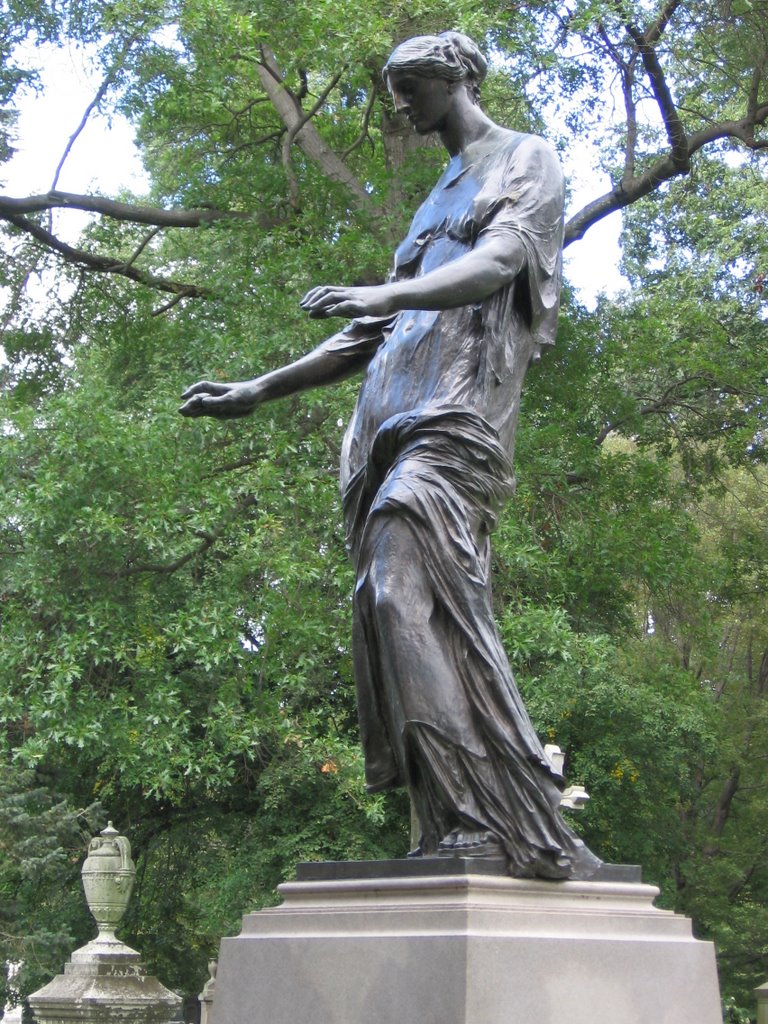
Forest Hills Cemetery, Labor Day 2006.